
Introduction
Many California healthcare providers face challenges in collecting payments from patients, insurers, or lien-based claims. Delayed reimbursements, billing errors, and administrative bottlenecks can disrupt cash flow and reduce revenue.
Healthcare collections provide a structured process for recovering payments while maintaining compliance and minimizing financial losses. This guide explains what healthcare collections are, how the process works, common setbacks, best practices for recovery, and how outsourcing to a trusted partner, such as MLM, can optimize revenue and streamline operations.
By the end of the article, California providers will understand how to implement effective collections strategies and leverage professional support to maximize reimbursement.
What is Healthcare Collection?
Healthcare collections refer to the process of recovering payments owed to providers for services delivered. This encompasses payments from insurance companies, patients, or claims tied to legal or settlement-related cases.
Front-end collections focus on securing immediate revenue through co-pays, deductibles, and initial patient payments, ensuring that practices maintain healthy cash flow. Back-end collections address unpaid claims, outstanding balances, and delinquent accounts, requiring systematic follow-up, accurate documentation, and consistent communication with payers or patients.
In California, healthcare collections can be especially complex due to procedural delays, documentation requirements, and regulatory oversight. Providers must navigate disputes, coordinate with attorneys or payers, and ensure compliance with state-specific rules, making efficient workflows and professional support critical for maximizing reimbursement and reducing administrative burden.
Nearly 40% of California patients report difficulty paying medical bills on time, highlighting the need for structured collections processes.
How Do Healthcare Collections Work?
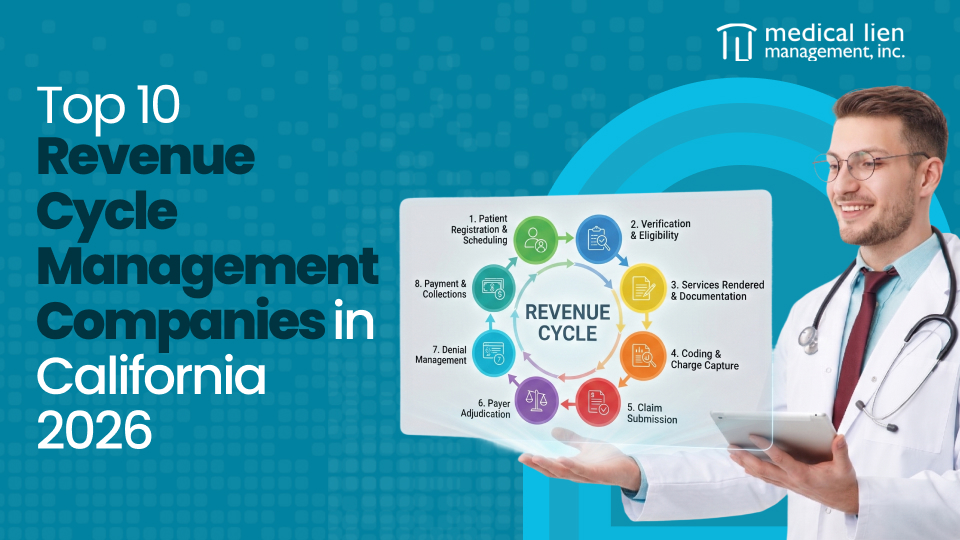
The collections workflow begins when a service is rendered and continues until payment is received or the account is written off. First, insurance claims are submitted and verified, then the patient is billed for any remaining balance. Staff conduct follow-ups by phone, email, or mail, and if payment remains unresolved, a collections agency may become involved.
Insurance collections focus on verifying and securing claim payments, while patient collections require ongoing follow-ups and, at times, negotiation. For example, a California clinic may partner with an experienced medical lien collection team to efficiently recover delayed settlement balances and ensure timely reimbursement.
How Long Does a Medical Collection Stay on Your Record?
Collections generally remain on credit records for seven years. While they affect providers’ revenue and can influence patients’ financial behavior, California-specific rules provide additional protections for disputing or correcting claims.
Can Medical Bills Go to Collections in California?
Unpaid medical bills may legally be sent to collections after proper notice to the patient. California law also ensures dispute rights and timeline protections, and emergency care billing often includes safeguards that prevent immediate collection actions.
Common Setbacks in Medical Collections
Several factors can slow collections for California providers:
- Incorrect patient information: Registration errors can delay or prevent payment.
Solution: Verify all demographics upfront.
- Billing errors or coding mistakes: Misfiled codes lead to increased denials.
Solution: implement audits and double-checks.
- Delayed insurance responses: Pending approvals slow payments.
Solution: automate follow-ups and regularly confirm claim status.
- Poor communication with patients: Misunderstandings lead to delayed payments.
Solution: provide clear financial policies and multiple communication channels.
- Lack of follow-up systems: Accounts can fall through the cracks.
Solution: Maintain structured workflows for overdue balances.
- High volume of small balances: Tracking many small accounts reduces efficiency.
Solution: consolidate accounts where possible.
Up to 25% of denied claims result from inaccurate patient or insurance information, emphasizing the importance of accurate collections workflows.
These issues often intersect with challenges in workers’ compensation billing California and require proper guidance to ensure compliance and timely resolution.
Best Practices to Streamline Patient Collections
To improve efficiency and reduce write-offs, California providers should implement:
- Clear financial policies and transparent cost estimates
- Upfront disclosure of expected patient responsibilities
- Automated reminders via SMS or email
- Online payment options to simplify patient transactions
- Accurate coding and billing to prevent denials
- Timely insurance verification before treatment
- Analytics to identify slow-paying accounts and high-risk balances
Explore MLM’s revenue cycle and medical billing services to streamline collections, reduce errors, and improve cash flow for California clinics.
Why Outsource Healthcare Collections?
Outsourcing collections can significantly reduce healthcare providers’ administrative workload, enabling staff to focus on patient care rather than chasing payments. Working with a medical lien collection company in California ensures that claims are handled by experienced professionals who understand state-specific regulations, deadlines, and documentation requirements.
This expertise increases the likelihood of timely and full reimbursement while minimizing errors and denials, and also providers benefit from:
- Reduced workload for in-house staff
- Higher recovery rates through expert follow-up
- Compliance with California regulations
- Advanced tracking and reporting tools
- Improved patient communication and experience
Providers managing complex cases can also benefit from specialized WCAB support services. These services guide providers through dispute resolution, hearings, and compliance requirements, ensuring that all lien claims are processed in accordance with state rules. Leveraging this support helps prevent delays, strengthens the provider’s legal standing, and maximizes recoveries on outstanding claims.
Clinics handling personal injury billing in California face unique challenges, from coordinating with attorneys to managing settlement negotiations. Outsourcing these collections enables providers to access professionals who are familiar with the nuances of PI billing, ensuring that all documentation is accurate, deadlines are met, and recoveries are optimized. This approach streamlines the billing process and improves overall cash flow.
Schedule a consultation with Medical Lien Management to maximize reimbursement and minimize delays through expert healthcare collections management.
Conclusion
Efficient healthcare collections are critical for California providers to maintain cash flow, reduce write-offs, and protect revenue. Structured workflows, proactive follow-ups, and expert outsourcing improve recovery rates while allowing clinics to focus on patient care.