

ICD-10 Code E66 is used to classify obesity and related obesity conditions that may affect a patient's health status and medical care. Healthcare providers use this code category to accurately document obesity diagnoses, support clinical records and ensure proper reimbursement through insurance claims.
Accurate reporting of ICD-10 Code E66 is important for healthcare organizations because it supports compliant coding, improves claim accuracy, and contributes to efficient healthcare revenue cycle management. Proper documentation and coding also help reduce denials during medical claims submission and improve reimbursement outcomes.
What Is ICD 10 Code E66?
Understanding the Code Structure
ICD-10 codes follow a structured classification system that standardizes diagnosis reporting across healthcare organizations.
Category
ICD-10 Code E66 falls under endocrine, nutritional, and metabolic diseases. This category includes conditions related to body weight regulation and metabolic health.
Subcategory
Within the E66 category, multiple subcodes identify different obesity classifications based on documentation and clinical circumstances.
Specific Diagnosis
The final code selection depends on the specific obesity diagnosis documented by the provider. Coders must assign the most accurate and specific code supported by the medical record.
What Does ICD 10 Code E66 Represent?
Clinical Explanation
ICD-10 Code E66 represents obesity, a condition characterized by excess body fat that may affect overall health and healthcare management.
Condition Overview
This diagnosis category is used when a provider formally documents obesity as part of the patient's medical condition. The code supports standardized reporting, statistical tracking, reimbursement processes and healthcare data management.
Accurate classification helps healthcare organizations maintain consistent patient records and supports payer requirements for reimbursement.
When Is ICD 10 Code E66 Used?
Clinical Scenarios
Healthcare providers may assign ICD-10 Code E66 during:
● Routine office visits
● Preventive health evaluations
● Chronic disease management encounters
● Specialty consultations
● Inpatient or outpatient services
Appropriate Use Cases
The code is generally reported when:
● Obesity is documented by the provider
● The condition affects patient care or treatment planning
● Medical record documentation supports the diagnosis
● Coding guidelines permit code assignment
Proper documentation is required before the diagnosis can be reported on insurance claims.
How to Bill ICD 10 Code E66 Correctly
Accurate billing of ICD-10 Code E66 depends on complete documentation, correct code selection and adherence to payer requirements.
1. Document Clinical Findings Thoroughly
Providers should clearly document:
● Obesity diagnosis
● Relevant clinical assessments
● Supporting examination findings
● Impact on patient management
● Treatment planning considerations
Complete documentation strengthens claim support and improves coding accuracy.
2. Confirm Diagnostic Criteria
Before assigning ICD-10 Code E66, coding professionals should verify:
● Provider-confirmed diagnosis
● Consistent medical record documentation
● Supporting clinical information
● Compliance with coding guidelines
Verification helps reduce coding errors and claim denials.
3. Maintain Accurate Coding Practices
Healthcare organizations should:
● Follow current ICD-10 guidelines
● Use the highest level of code specificity available
● Conduct periodic coding reviews
● Ensure documentation supports code assignment
Accurate coding improves reimbursement and reduces compliance risks.
4. Avoid Common Billing Errors
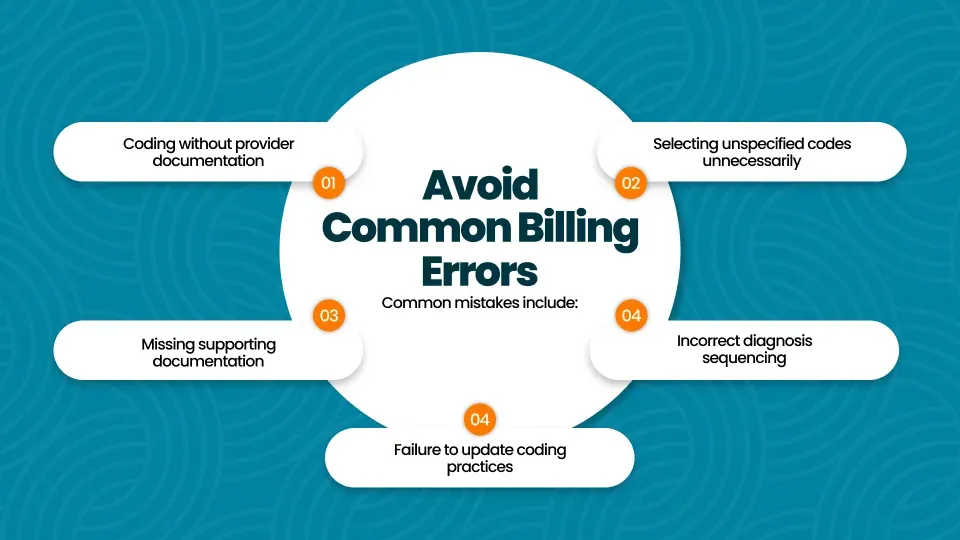
Common mistakes include:
● Coding without provider documentation
● Selecting unspecified codes unnecessarily
● Missing supporting documentation
● Incorrect diagnosis sequencing
● Failure to update coding practices
These issues frequently result in delayed payments and denied claims.
5. Follow Billing Best Practices
Organizations should implement:
● Internal coding audits
● Documentation improvement programs
● Ongoing coder education
● Physician documentation training
● Quality assurance reviews
Many providers rely on a professional medical coding company to help maintain coding accuracy and compliance.
Documentation Requirements for ICD-10 Code E66
Accurate documentation is one of the most important factors when reporting ICD-10 Code E66. Insurance carriers and auditors expect diagnosis codes to be fully supported by the medical record.
Documentation should include:
● Provider-confirmed obesity diagnosis
● Relevant clinical observations
● Assessment findings
● Impact on treatment planning
● Supporting encounter notes
Strong documentation not only supports reimbursement but also helps protect healthcare organizations during audits and compliance reviews.
Organizations that prioritize documentation quality typically experience fewer coding discrepancies and smoother reimbursement processes.
Common Coding Challenges Associated With ICD-10 Code E66
Healthcare organizations frequently encounter coding challenges when assigning ICD-10 Code E66.
Some common issues include:
● Incomplete physician documentation
● Lack of diagnosis specificity
● Incorrect code selection
● Unsupported diagnosis reporting
● Documentation inconsistencies
These challenges can create claim delays, reimbursement issues and compliance concerns.
Regular communication between providers and coding teams helps improve coding accuracy and reduce avoidable errors.
Compliance Considerations for ICD-10 Code E66
Compliance plays a critical role in diagnosis, coding and reimbursement.
When reporting ICD-10 Code E66, healthcare organizations should ensure that:
● Documentation supports the diagnosis
● Coding follows official ICD-10 guidelines
● Internal policies are consistently applied
● Coding staff receive ongoing education
● Audit procedures are regularly performed
Strong compliance practices help reduce financial risk and support long-term operational stability.
Role of Medical Billing Services in Accurate ICD-10 Coding
Professional medical billing services help healthcare organizations improve coding accuracy, reduce billing errors, and streamline reimbursement workflows.
Billing specialists review documentation, identify potential issues, and help ensure diagnosis codes are properly reported before claim submission.
This support often leads to improved claim acceptance rates and reduced administrative burden.
How Medical Billing and Coding Services Improve Claim Accuracy
Specialized medical billing and coding services play an important role in maintaining coding quality and claim integrity.
These services typically assist with:
● Coding reviews
● Documentation validation
● Claim scrubbing processes
● Compliance monitoring
● Denial prevention strategies
By identifying issues before claims are submitted, organizations can improve reimbursement performance and reduce payment delays.
Healthcare Revenue Cycle Management and Diagnosis Coding
Effective healthcare revenue cycle management depends heavily on accurate diagnosis coding.
Diagnosis codes influence:
● Claim acceptance
● Reimbursement levels
● Compliance outcomes
● Financial reporting
● Revenue forecasting
Organizations that maintain strong coding practices generally experience healthier revenue cycles and fewer billing disruptions.
Medical Claims Submission Requirements for ICD-10 Codes
Successful medical claims submission requires diagnosis codes that are accurate, specific and supported by clinical documentation.
Claims should include:
● Correct diagnosis codes
● Complete patient information
● Proper code sequencing
● Supporting documentation
● Compliance with payer requirements
Failure to meet these requirements may result in denials, payment delays, or requests for additional documentation.
Why Providers Outsource Medical Billing Services
Many healthcare organizations choose to outsource medical billing services to improve efficiency and reduce administrative workload.
Benefits may include:
● Increased coding accuracy
● Faster claims processing
● Reduced staffing burdens
● Improved reimbursement performance
● Greater compliance oversight
Outsourcing allows providers to focus more resources on patient care while experienced billing teams manage revenue operations.
Benefits of Working With a Medical Coding Company
Partnering with a specialized medical coding company can provide valuable support for healthcare organizations managing large coding volumes.
Advantages include:
● Access to certified coding professionals
● Improved coding consistency
● Reduced claim denials
● Better compliance monitoring
● Enhanced reimbursement outcomes
Professional coding support helps organizations maintain accuracy while adapting to evolving coding requirements.
FAQs
1. What is ICD-10 Code J09.X2?
ICD-10 Code J09.X2 is used to report influenza caused by an identified novel influenza A virus with pneumonia. It indicates that the patient has both a confirmed influenza infection and documented pneumonia.
2. When should ICD-10 Code J09.X2 be assigned?
This code should be assigned when influenza A is confirmed through laboratory testing and pneumonia is clearly documented by the healthcare provider.
3. Can ICD-10 Code J09.X2 be used for seasonal influenza?
No. ICD-10 Code J09.X2 specifically applies to influenza caused by a novel influenza A virus and should not be used for routine seasonal influenza cases.
4. What documentation is required for ICD-10 Code J09.X2?
Providers should document laboratory confirmation of influenza A, clinical findings, imaging results when applicable, and clear evidence of pneumonia in the medical record.
5. Why is accurate coding of ICD-10 Code J09.X2 important?
Accurate coding supports proper reimbursement, reduces claim denials, improves compliance, and ensures effective healthcare revenue cycle management.
Conclusion
ICD-10 Code E66 is used to classify obesity and related conditions within the ICD-10 coding system. Accurate documentation, proper code selection, and compliance with coding guidelines are essential for successful reimbursement and regulatory compliance.
Healthcare organizations that correctly report ICD-10 Code E66 can improve coding accuracy, strengthen medical claims submission, and support more effective healthcare revenue cycle management. Through strong documentation practices, quality assurance processes, and support from experienced billing professionals, providers can reduce denials, improve reimbursement outcomes, and maintain long-term financial stability.